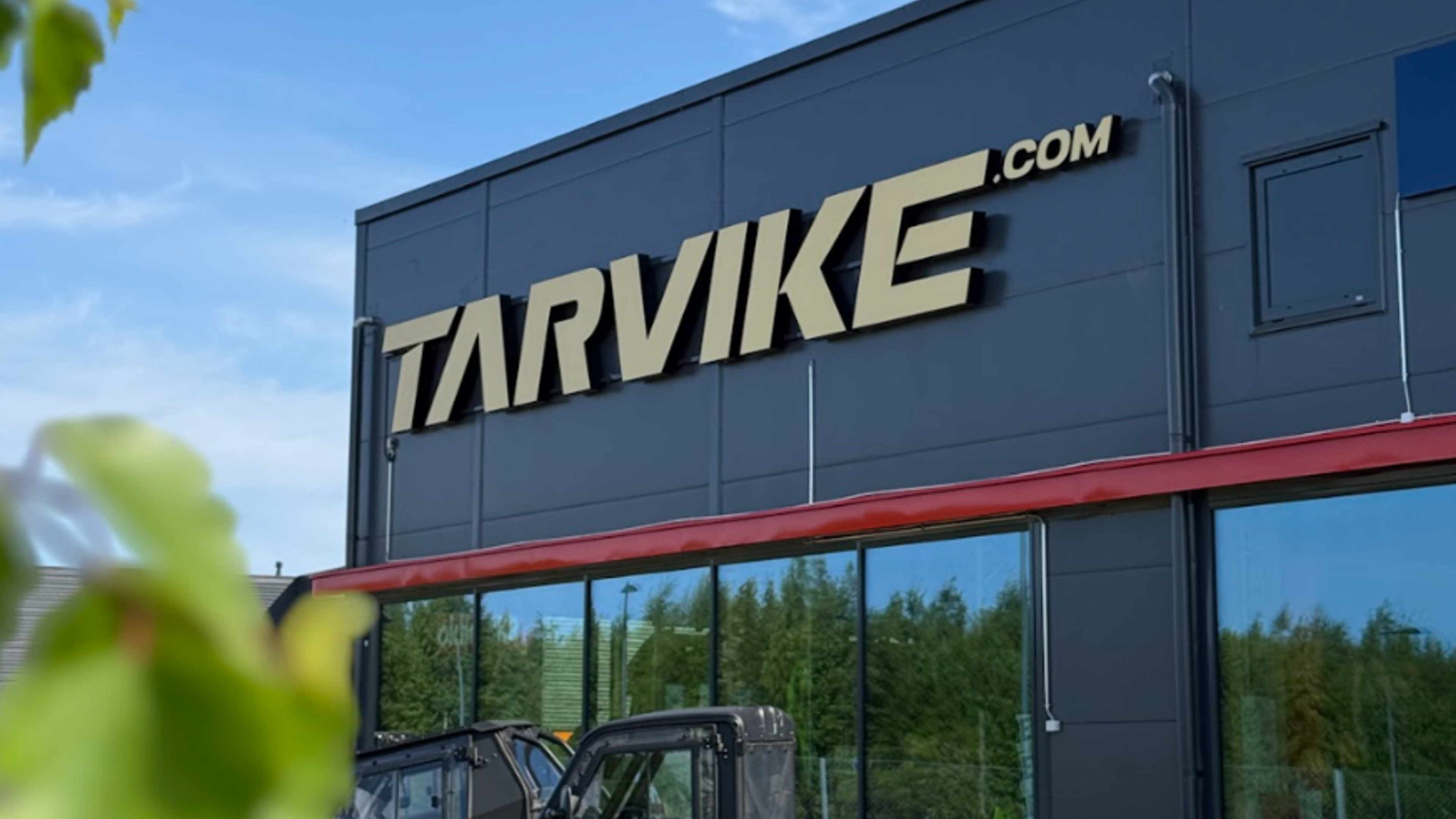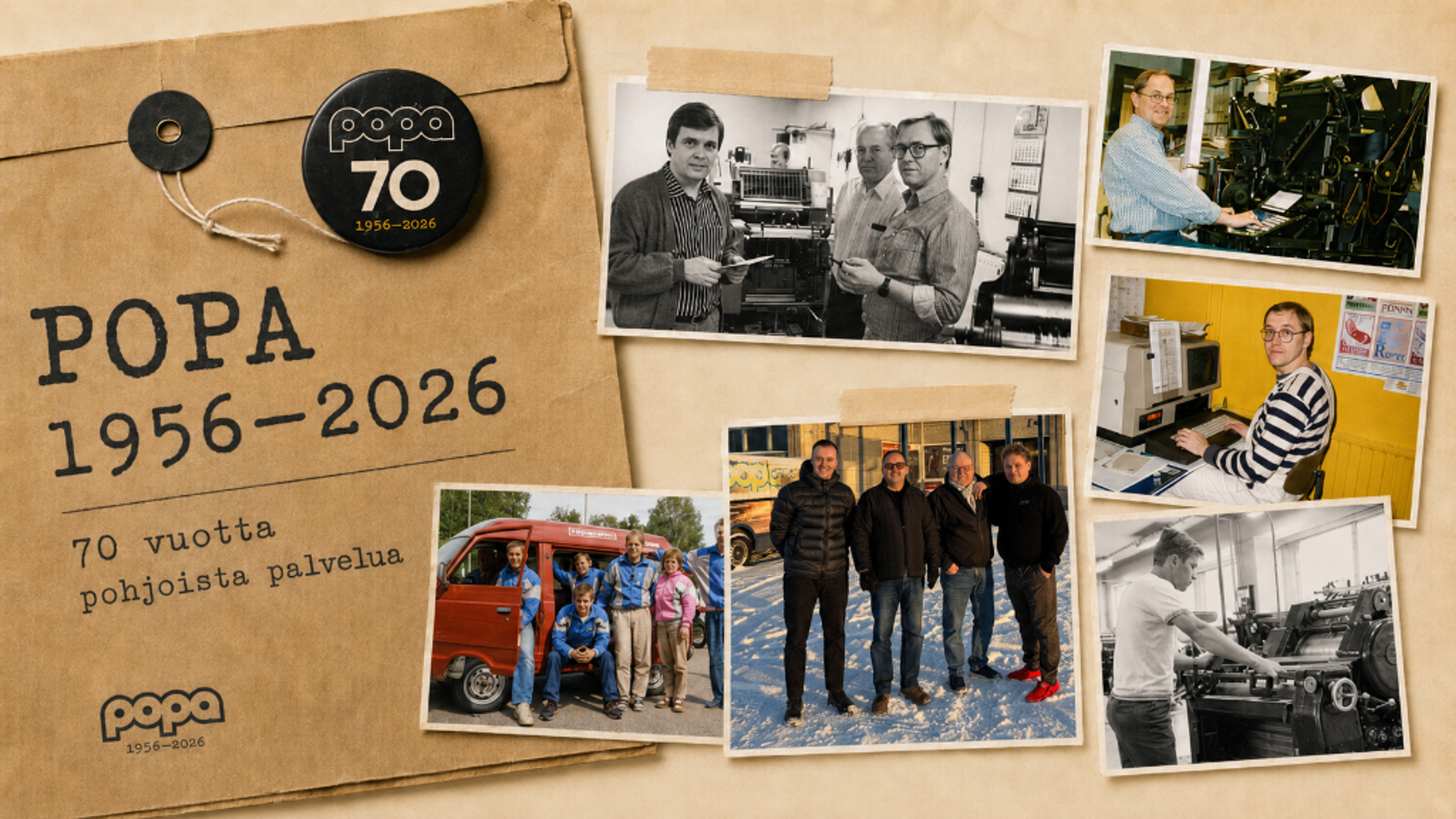
Looking at a company's website, facade, brochure, and social media profile side by side, you can quietly ask: is the identity intentionally or unintentionally different? Here are five typical places where brand identity deteriorates.
1. When Someone Makes Their Own Version of the Logo
Let us use the blue version, it works better on a dark background. That sounds sensible. Then the next person makes the same choice, and a third person does too. Six months later the company has seven different versions in use without anyone ever having formally decided to change anything.
The fix: a lightweight visual guide and a logo library with usage instructions.
2. When the Identity Has Been Designed but Not Adopted
The brand guide is a 48-page PDF. It was emailed out when the new identity was launched. Half the people read it, a quarter skimmed it, the rest saved it just in case.
The fix: a guide is not a document but a practice. Onboarding, templates, and easily findable material.
3. When External Agencies Improvise
Agency A runs a campaign. Social media agency B produces content. A third party manages the website. None of them talk to each other.
The fix: partners must have the same materials, the same guidelines, and the same point of contact.
4. When Decision-Makers' Immediate Circle Has Their Own View of the Identity
Let us put more green in here, it looks good. The identity evolves through top-down impulses more than through planned guidelines.
The fix: the identity must be so clearly reasoned that it is easier to stay true to it than to deviate from it.
5. When Growth Happens Faster Than the Guidelines Are Updated
The company grows. A new product line arrives, a new market, a new target audience. But nobody stops to update the guidelines.
The fix: an identity is a living structure. It needs a review at least once a year.
Would you like to look at the state of your identity? Popa carries out an identity review that reveals the full picture.