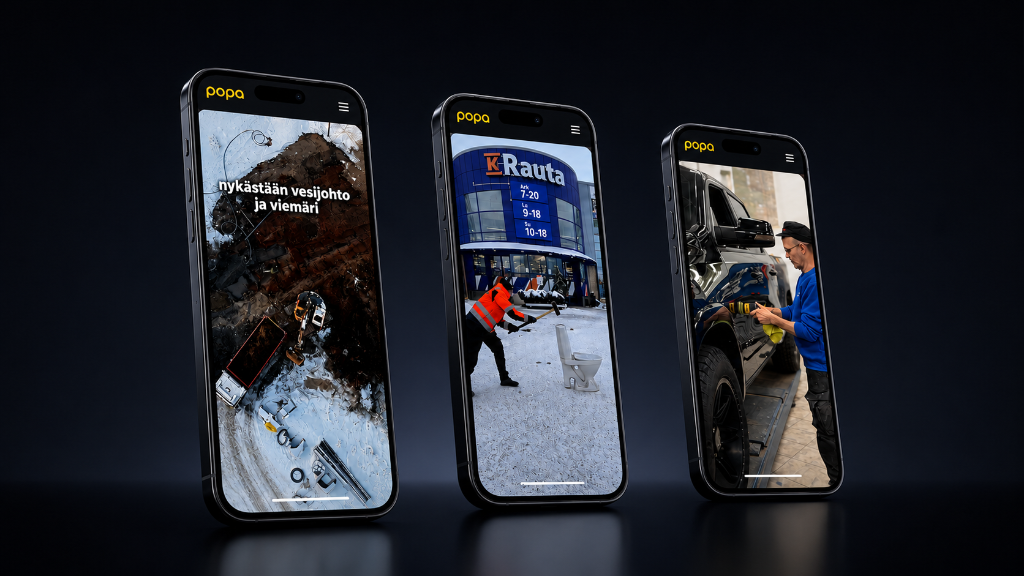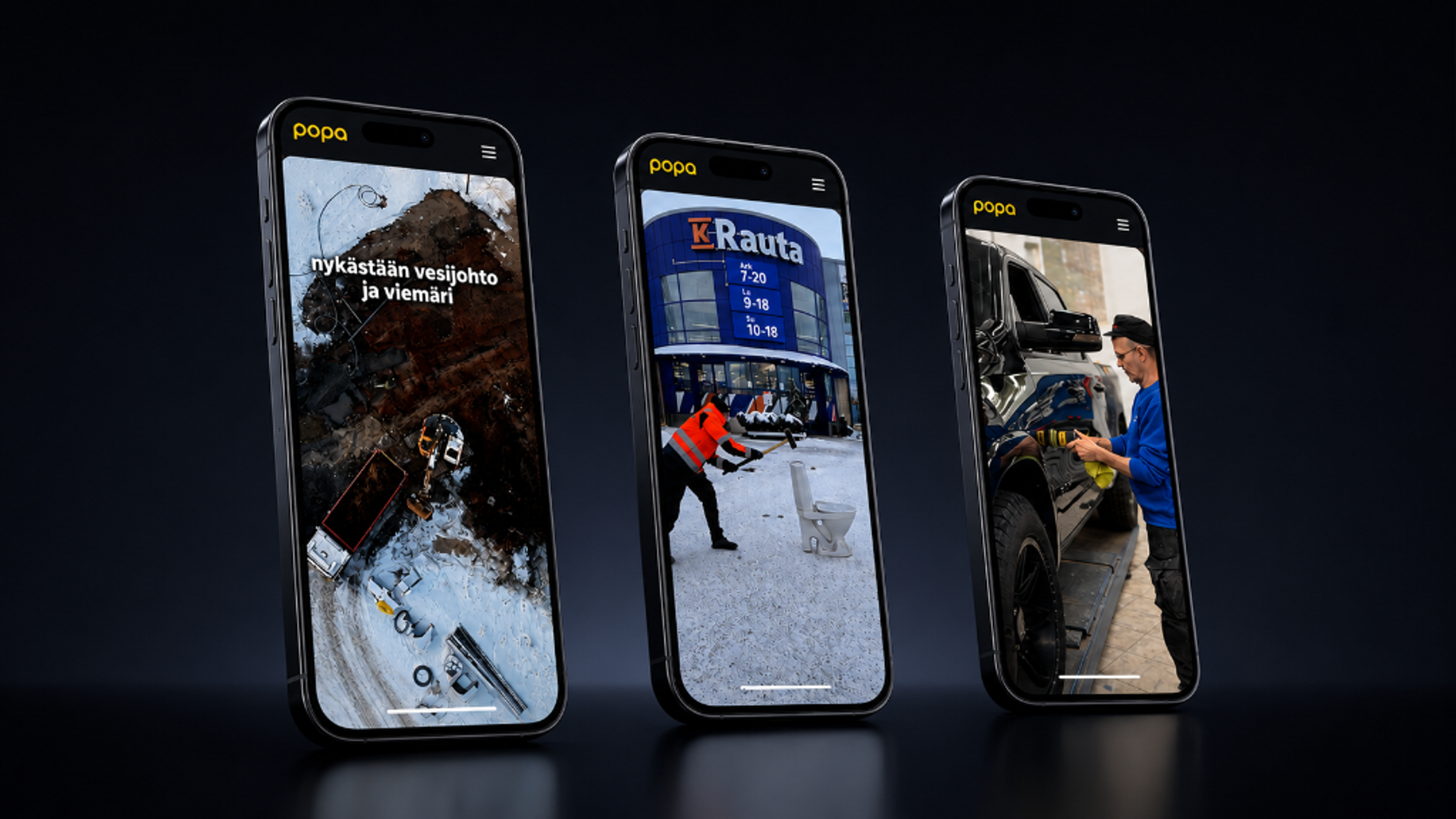
Short-form videos are no longer just entertainment for the young. TikTok, Instagram Reels, Facebook Reels, and YouTube Shorts made the vertical video format a phenomenon that applies equally to the business world. A fast, authentic, and visually engaging video stops viewers in their tracks. At best it gathers reactions and shares that you would otherwise have to pay for in advertising spend.
Why Do Short-Form Videos Work?
A vertical video fills the entire smartphone screen. Nothing else is visible and nothing competes for attention. The viewer expects concise, entertaining, or useful content. They are not looking for lengthy context-setting or theory.
Platforms like TikTok favour authenticity, stories, and atmosphere, not polished sales pitches. That is good news for a small business. You do not need to compete on budget with large players, but on ideas and timing. More important than expensive production is that the viewer recognises a real person and a real situation in the video.
A good idea, a smartphone, and a bit of courage are enough to get started. At Popa we have developed and produced dozens of videos, from short clips to full company productions.
Six Tips for Short-Form Video Production for Small Businesses
- Hook immediately. Capture the viewer's attention in the first three seconds. Use a question, a hint, or a surprising twist. Otherwise they scroll past before you have said your name.
- Be authentic, do not just advertise. A product or service can also be introduced with a fun twist. Show your team at work, take a peek behind the scenes, or share a blunder from the working day that you recovered from. People are interested in people.
- Anticipate trends. If a dance, a sound, or a phenomenon fits your brand, make your own bold version of it in time. Trends wear out quickly.
- Post weekly. Start with one video a week. A short and honest story works better than a rehearsed product demonstration. Consistency teaches both you and the platform's algorithm.
- Keep the message clear. One video, one topic. Get to the point quickly. A good half-minute insight, tip, or discovery usually works best.
- Learn and challenge yourself. Track which videos gather views and reactions. Search, experiment, and find the content that looks like your company. No video is wasted if you learn something from it for next time.
Trends in the moment come and go. The more genuine the interest from followers, the more reciprocal feedback you receive, and the more clearly you stand out from competitors. Remember too that longer, expertise-focused videos still have their place on YouTube and websites. Short-form video opens the door; a longer video deepens the relationship.
What If the Camera Makes You Nervous?
Do you recognise the thought that you are not cut out to be in front of a camera? That is normal, and it comes with the territory. You do not need to be a performer or a presenter.
It is enough to be yourself and talk about what you know best. That straightforward honesty is precisely what stands out from polished advertising, and viewers pick up on it within seconds. The first take can be clumsy. The second is already better.
Start Small, Ask for Help Along the Way
You do not need a studio or a large budget. You need an idea, courage, and a partner who helps you both get excited and get things made. The first video is always the hardest, and after that the bar gets lower every time.